
Jan 26, 2026
EU farmers fear competition from cheaper Latin American imports
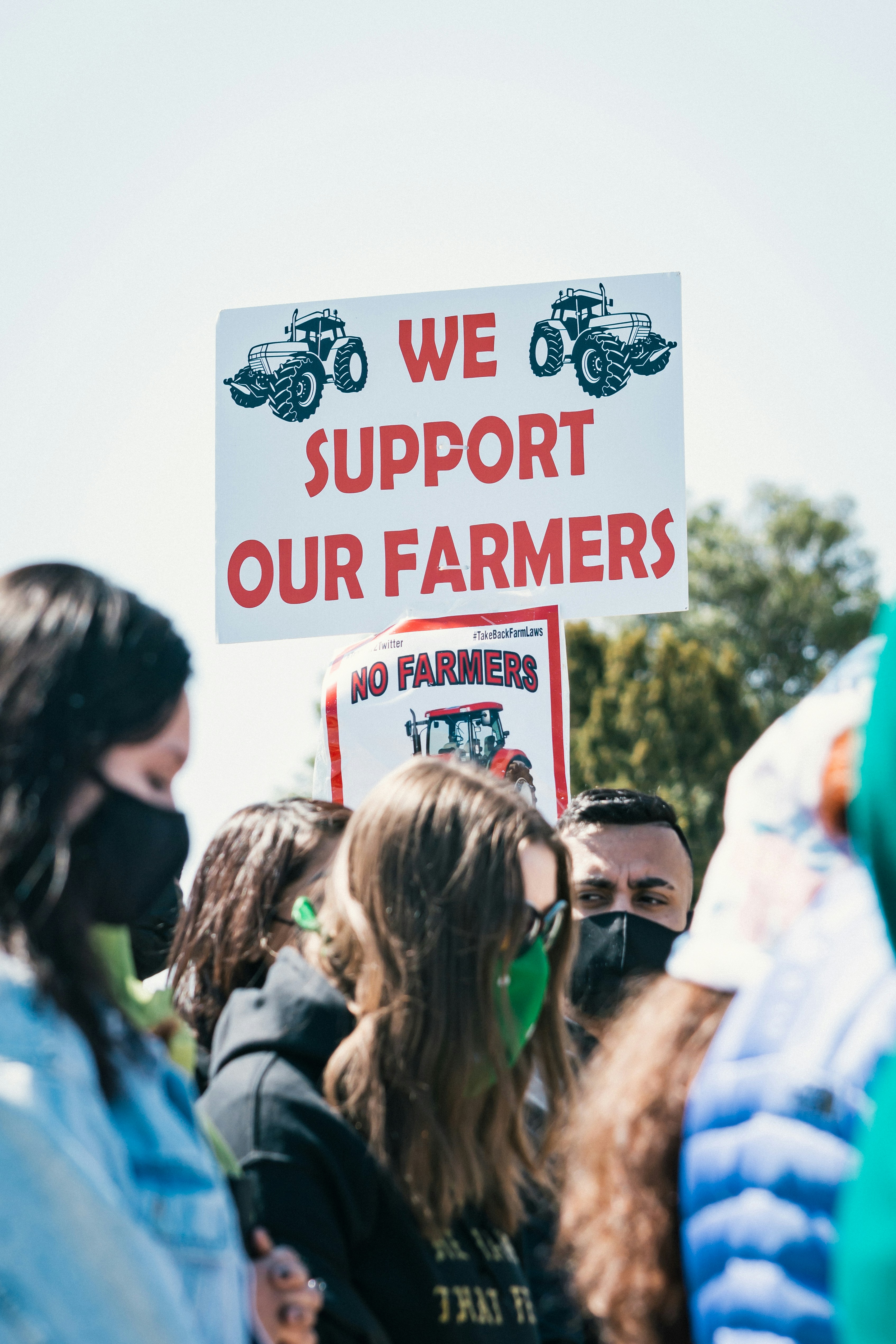
The EU-Mercosur trade agreement, recently approved by a majority of EU member states, has sparked significant concern among European farmers. The deal, which aims to eliminate import duties and boost trade between the EU and Mercosur countries, Brazil, Argentina, Uruguay, and Paraguay, still awaits a final vote in the European Parliament.
Background of the Agreement
The trade agreement was initially announced in 2019 after two decades of negotiations. It focuses on reducing tariffs on machinery, equipment, chemicals, and pharmaceuticals, potentially including Bolivia in the future. Despite the approval by EU member states, the European Parliament has requested a review by the European Court of Justice, which could delay the agreement's full implementation.
Market Implications
European farmers have expressed concerns about the impact of increased imports from Latin America, particularly in the meat and sugar sectors. They argue that cheaper imports from Mercosur countries, which do not adhere to the same regulations regarding animal welfare and pesticide use, create unfair competition. Quotas have been established for sensitive sectors like agriculture, with gradual implementation over five years.
Specific Quotas and Concerns
The agreement includes a duty-free quota of 180,000 tonnes for poultry meat, representing 1.3% of EU production annually. However, the European poultry organisation, Avec, highlights that this could mean 9% of EU poultry consumption will be imported. For beef, Mercosur countries can import 99,000 tonnes at reduced tariffs, potentially reducing the Netherlands' beef production value by 15.6% by 2040. Pork imports are capped at 25,000 tonnes, equating to 0.1% of EU production.
Additional Provisions
A unique aspect of the agreement is the duty-free import of eggs, contingent on meeting EU food safety and animal welfare standards. A ""safety mechanism"" was introduced in late 2025 to protect the EU market from price fluctuations due to Mercosur imports, though agricultural organisations find it insufficient.
The agreement also protects European regional product names in South America, prohibiting imitations. As the EU awaits the European Parliament's final decision, the trade deal's full impact remains to be seen.